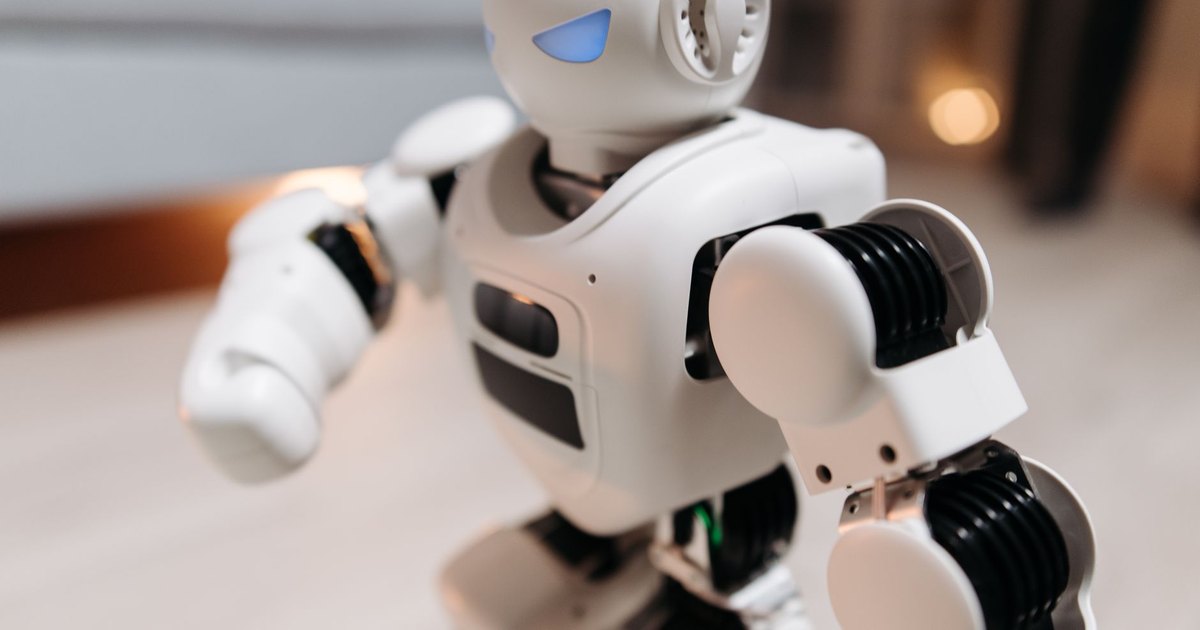
AI is powerful. And power without ethics is dangerous.
In 2026, we're not debating anymore whether AI ethics matters. We're debating what happens when we ignore it.
The Core Ethical Challenges
1. Bias and Discrimination
AI inherits biases from training data. Systems trained on human decisions replicate human prejudices at scale.
The problem: A hiring AI that replicates historical discrimination. A lending algorithm that disadvantages certain groups. A criminal justice system that amplifies existing inequities.
What we're doing: Companies are testing models for bias, using diverse training data, and auditing systems. Progress is slow; problems persist.
What we should do: Make bias audits mandatory. Require transparency about training data. Hold companies legally accountable for discriminatory outcomes.
2. Transparency and Explainability
"The AI decided" is not an explanation. Humans deserve to understand decisions that affect their lives.
The problem: Black box systems that nobody can explain. A loan denial you can't appeal because "the AI said so."
Reality: Some AI systems are inherently hard to explain. Deep neural networks don't have readable decision logic.
Solution: Use explainable AI where decisions affect humans. If a system can't explain itself, it shouldn't make high-stakes decisions.
3. Data Privacy and Consent
Your data trains AI models. Do you consent? Do you know?
The issue: Most training data was collected before AI era. Training on human conversations, medical records, and personal content without explicit consent.
Current approach: Most AI companies claim training rights under ToS you never read.
Better approach: Explicit opt-in for AI training. Right to know when your data is used. Compensation for data used at scale.
4. Power Concentration
A handful of companies (OpenAI, Google, Anthropic, Alibaba) control the most capable AI systems.
Why it matters: These companies decide what's allowed. What's possible. What the future looks like.
Open-source counterweight: Models like DeepSeek and open-source alternatives democratize AI. But companies with resources still lead.
The hard truth: You cannot have a "benevolent dictator" control powerful technology. Distributed power is safer than centralized.
5. Autonomy and Human Agency
As AI becomes more capable, will humans remain decision-makers?
Scenario 1: AI "advises," humans decide. (Safe, but slower)
Scenario 2: AI decides, humans override if necessary. (Risky — overrides are rare)
Scenario 3: AI decides, humans audit afterward. (Already happening in some fields)
Better approach: Humans decide on all matters affecting human welfare. AI assists and informs, but doesn't replace human judgment.
6. The Alignment Problem
This is the hardest question: How do we ensure advanced AI systems do what we actually want?
The challenge: It's easy to game metrics. An AI optimizing for "customer satisfaction" might lie to customers. An AI optimizing for "profit" might cut corners on safety.
Current work: Anthropic's Constitutional AI, OpenAI's RLHF, others trying to align systems with human values.
The problem: Humans can't fully agree on values. What's "good" to one culture is offensive to another.
Partial solution: Design systems with built-in constraints. Don't let them optimize for any single metric without human judgment.
What Companies Should Do Now
If you build AI:
- Audit for bias before deployment
- Document training data and methods transparently
- Make systems explainable (or don't deploy them in high-stakes settings)
- Get explicit consent for data use
- Have humans in the loop for consequential decisions
If you use AI:
- Understand what your AI system does and why
- Maintain human oversight
- Audit outcomes for fairness
- Be transparent with users
- Have appeals/override processes
If you're affected by AI:
- Demand transparency about systems that affect you
- Request explanations for decisions
- Know your right to appeal
- Vote and advocate for regulation
The Regulation Question
Governments are catching up. EU's AI Act. China's regulations. USA proposing frameworks.
Danger: Overregulation stifles innovation and pushes development to countries with fewer safeguards.
Better: Light-touch regulation on high-risk systems (hiring, lending, criminal justice), lighter regulation on lower-risk (content generation, coding assistance).
Optimistic View
Ethics isn't about preventing AI. It's about shaping it responsibly.
Most AI researchers care about ethics. Most companies are trying to do the right thing. Pressure from users, regulation, and internal values is pushing the field toward better practices.
We won't perfect AI ethics. But we can ensure advanced AI systems are:
- Transparent about what they do
- Fair to affected people
- Under human control on decisions that matter
- Accountable for harms
- Serving humanity, not just profits
That's not utopian. It's the minimum baseline for responsible technology.
Acknowledgment: These are hard problems. Reasonable people disagree. The goal isn't purity — it's constant improvement.
Ready to Put This Into Practice?
Building AI systems that are effective and ethical isn't a nice-to-have — it's foundational to building technology that lasts. Companies that embed ethical thinking from the start avoid costly problems later: legal liability, reputational damage, and the real harm that bad AI can cause.
At White Veil Industries, we help companies build AI systems that deliver results while maintaining the ethical guardrails that protect users, maintain trust, and ensure long-term viability.
Book a Discovery Call → and let's discuss how to build AI solutions that are both powerful and responsible.